 Focus · LA Today Wire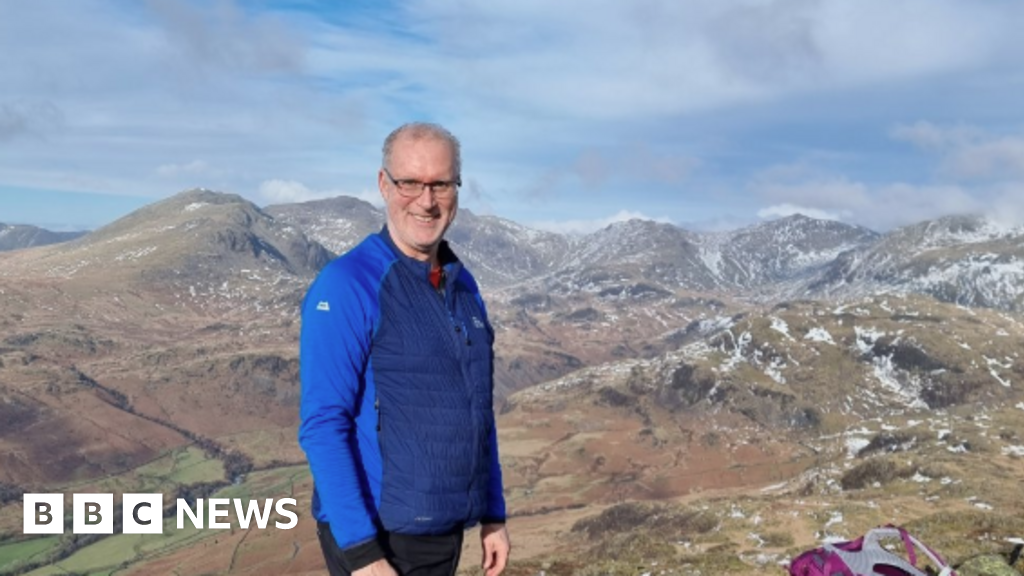
'What terminal cancer has taught me about life' 1 hour ago Kate Clark, Gloucestershire and Polly March, West of England Rex Mackrill Rex used to love mountain climbing but now says he tries to enjoy every small thing like the taste of food or even the rain A man living with terminal cancer says his biggest regret is spending decades carrying childhood trauma without realising it was shaping his life. Rex Mackrill, 65, from Tetbury, Gloucestershire, says being diagnosed with incurable prostate cancer forced him to reflect on what matters most, and one lesson he wished he learned earlier: to relish the joy of every moment. "I knew there was something wrong.
I knew there was a blackness that I was carrying and I didn't know what it was, and I wish I'd known earlier," he said. With a limited time left ahead of him, Rex has been looking back on his life and considering what advice he would pass on. More from Gloucestershire Because prostate cancer runs in his family, Rex regularly monitored his PSA levels.
After a raised test result, further investigations confirmed he had incurable stage four prostate cancer. Rex underwent chemotherapy but said the treatment took a significant physical toll and he now lives with the side effects of hormone treatment, including intense fatigue. "I stopped doing a job I love as a GP practice manager," he said.
"By the time I went through chemotherapy, I couldn't do the job that was needed." Leaving work was one of the biggest practical changes brought about by his diagnosis, although he says his priorities remain firmly focused on his family. "Sarah and I have always had a strong focus on our boys. We structured our lives to give them the best upbringing we could." But while cancer changed his perspective and future plans, he says one of the most important discoveries of his life came years before.
The moment everything made sense For much of his adult life, Rex lived with anxiety but could not explain why. "I knew that I was frightened, but I didn't know why," he said. He assumed he simply had to cope.
The turning point came at 60 when a life coach noticed he appeared to "shut down" while discussing certain topics. "He said, 'You've got trauma, dude'," Rex recalled. He later sought help and was diagnosed with PTSD.
Rex believes the trauma stemmed from abuse suffered in his childhood and says he is still exploring its impact today. "I wish I'd known I had a trauma earlier," he said. Research suggests delayed PTSD diagnoses are not uncommon, with symptoms sometimes emerging years after traumatic events.
At first, Rex said he struggled to accept help. But Cognitive Behavioural Therapy (CBT) and Eye Movement Desensitisation and Reprocessing (EMDR) therapy gradually transformed the way he experienced life. "I used to live at 10 out of 10 anxiety and I don't now," he said.
"It influenced all aspects of my life. "People would say I was calm and collected, but they weren't aware of the stress and anxiety I carried." 'Don't carry it alone' Looking back, he says his advice to anyone struggling is straightforward. "Go get help.
Go and see your GP. "You don't have to live like that or carry it on your own. "Go to a trusted friend and say there's something blocking you.
They can help you find the support you need." Finding joy in ordinary moments As he comes to terms with terminal cancer, Rex says his priorities have not changed but what has changed is how present he feels. "I used to have to go to the Lake District to be present," he said. "Now I can be much more present wherever I am." Recently, he found himself captivated by a simple moment outside.
"I was watching rooks floating on the wind," he said. "One rook wanted to move a little bit along a tree branch, but the wind took it somewhere else. "It had to circle around and land exactly where it wanted to be." He now spends time writing poetry, donating possessions like his car to charity and trying to make life easier for those he will leave behind.
"I don't want to burden people with my stuff," he said. Rex has been looking back on his life and considering what advice he would pass on to others Talking about death Rex has also taken part in sessions at Longfield Hospice in Minchinhampton that help people discuss end-of-life plans and their wishes for care. Sarah Mimmack, director of care at the hospice, said many families avoid conversations about death because they find them uncomfortable, but planning ahead can remove uncertainty and pressure.
"If you've done this work before you die, it really helps your family and friends," she said. She added that while around half of people in the UK die in hospital, only a small proportion say that is where they would choose to spend their final days. Longfield Hospice The team at Longfield Hospice help terminally ill patients prepare for the end of thier lives For Rex, however, preparing for death has become another way of making the most of the present.
And if there is one lesson he hopes others take from his experience, it is not to wait. "Enjoy the joy of life and see that this is a beautiful world we live in," he said. "We're so lucky.
We can love every moment of it." Handout Initially, Rex resisted help, but he said therapy helped him process his childhood experiences and find peace More on this story
Source: BBC